
The History of Margherita Pizza
Margherita pizza stands as one of the world's most iconic and beloved dishes. Its simple elegance—featuring just a few premium ingredients—belies a rich and fascinating history that spans centuries. What began as a creative culinary honor has evolved into a global symbol of Italian cuisine, and understanding its origins reveals much about Italian culture, history, and the transformative power of tradition.
Origins in Naples
The story of margherita pizza begins not in a royal palace, but on the streets of Naples, Italy, during the 18th century. Naples was a vibrant port city with a large working-class population, and pizza emerged as an affordable, delicious food that could be quickly prepared and easily consumed on the go. Pizzerias became gathering places for locals, and various toppings were experimented with to create new and exciting flavor combinations.
However, pizza remained largely a street food—something that working people ate, not something served at royal tables or fine dining establishments. The dish was considered too rustic, too casual, and too plebeian for the upper classes. This would all change in 1889, when pizza would receive royal endorsement that transformed its status forever.
A Royal Visit: 1889
In June of 1889, Queen Margherita of Savoy—the consort of King Umberto I—visited Naples as part of a royal tour. The royal entourage was looking for authentic local cuisine to experience during their stay, and pizza was suggested as a representative dish of the region. Local pizzeria owner and chef Raffaele Esposito of Pizzeria Brandi was commissioned to prepare pizzas for the Queen and her companions.
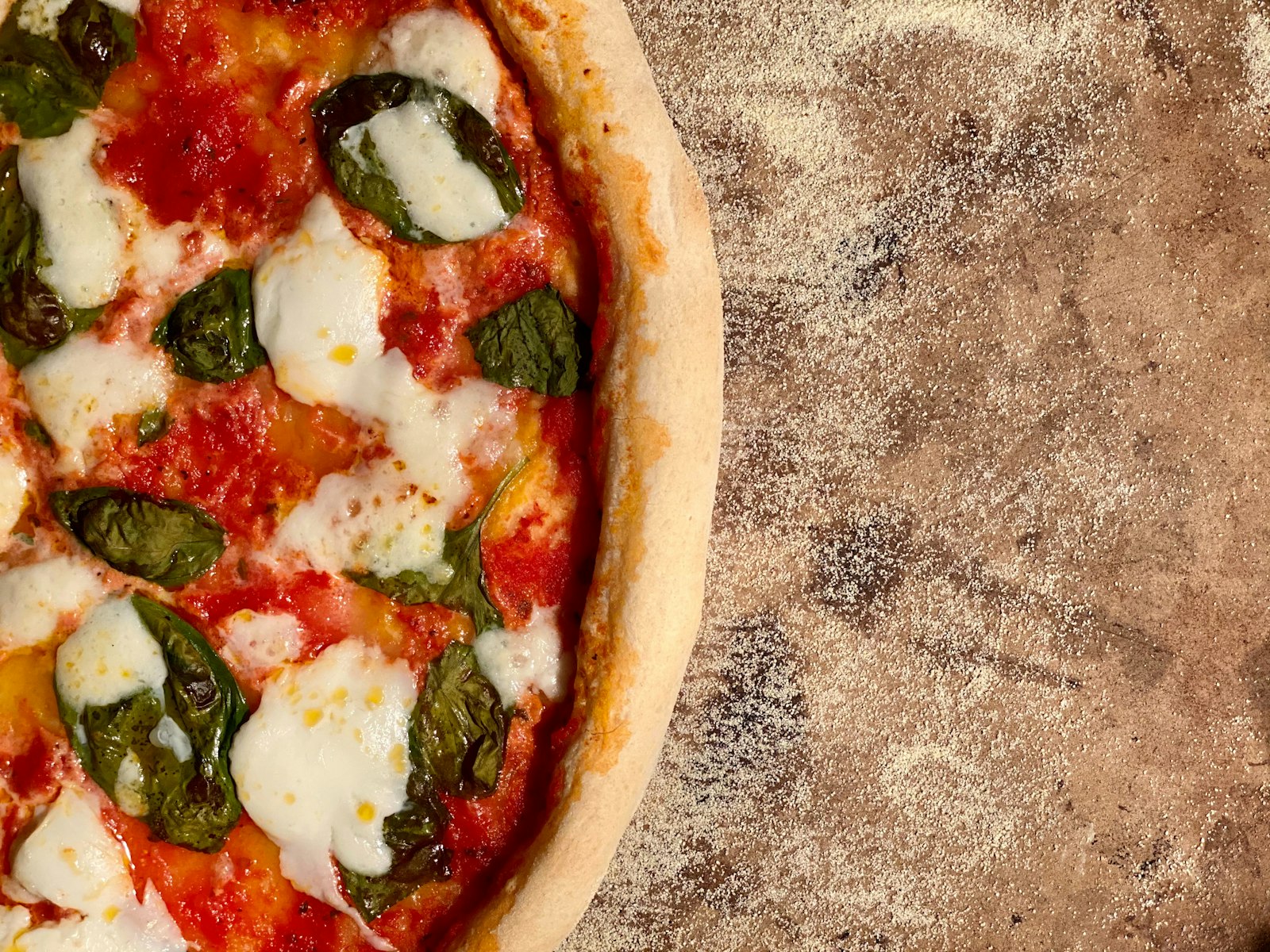
Esposito, understanding the significance of this opportunity, created several pizzas for the royal party. Among them was a special creation designed to honor the Queen herself. Rather than simply replicating existing pizzas, Esposito demonstrated his culinary creativity and patriotic spirit by crafting a pizza that incorporated three key ingredients representing the colors of the Italian flag: red (tomato), white (mozzarella cheese), and green (basil).
According to historical accounts, the Queen was delighted with the pizza. Its simple beauty, harmonious flavors, and symbolic patriotic colors made a profound impression. This royal approval was transformative—it legitimized pizza as a respectable dish worthy of even the most distinguished tables. The pizza became known as "Margherita" in honor of the Queen, and Pizzeria Brandi was forever memorialized as the birthplace of this legendary dish.
The Symbolism Behind the Colors
The genius of Raffaele Esposito's creation lies not only in its taste but in its thoughtful symbolism. Each element of the pizza carries profound meaning:
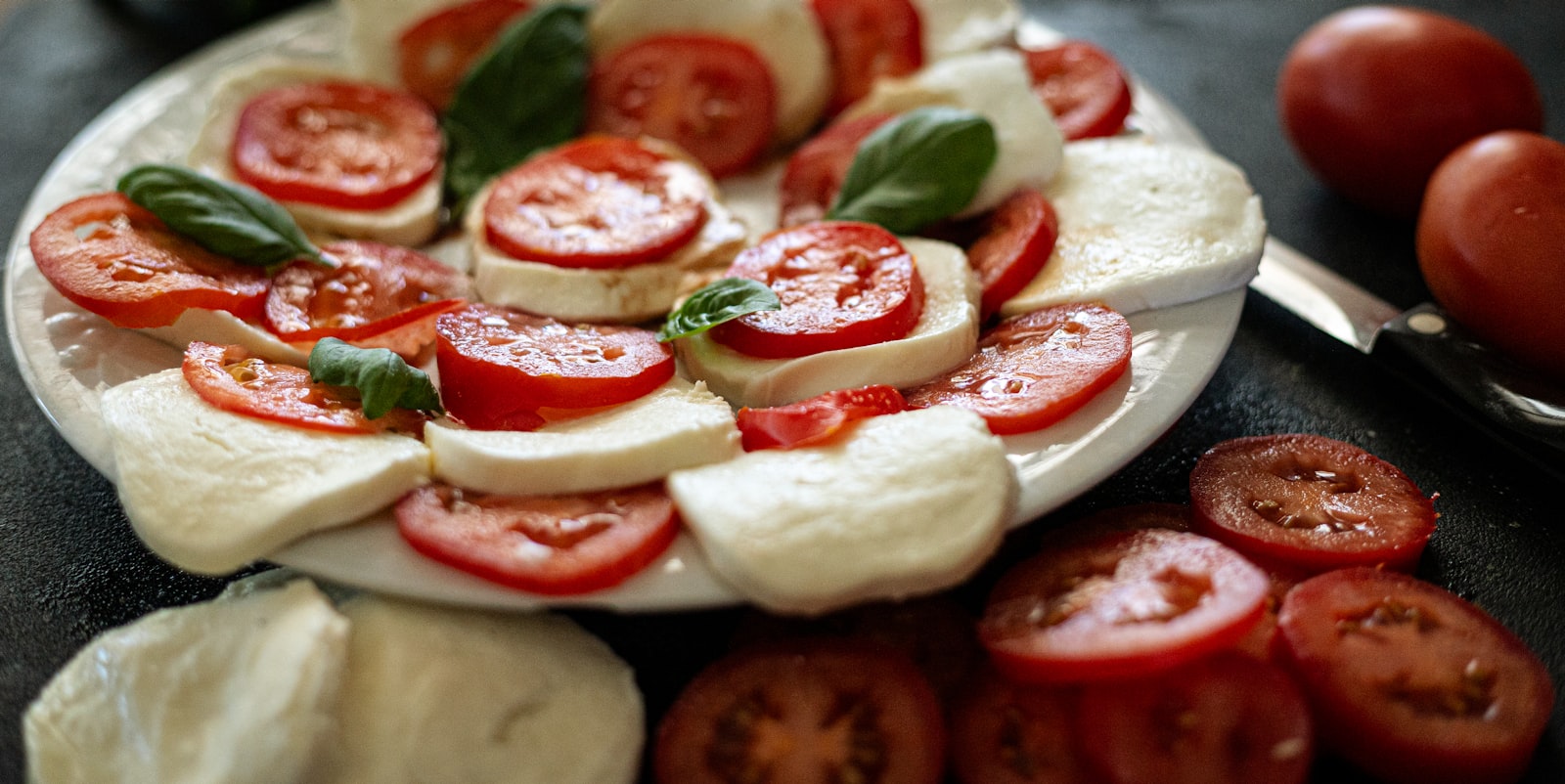
Red (Tomato Sauce): Representing the passion, energy, and blood of Italy. Tomatoes were a relatively new ingredient to Italy, having been introduced from the Americas in the 16th century. By the 19th century, they had become integral to Italian cuisine.
White (Mozzarella Cheese): Symbolizing the purity and peace of the nation. Fresh mozzarella cheese, particularly buffalo mozzarella from the Campania region surrounding Naples, became the premium choice for this pizza.
Green (Basil): Representing the hope and fertility of the Italian people. Fresh basil is fragrant, delicate, and perfectly complements the other ingredients.
Together, these three colors mirror the Italian flag, making every margherita pizza a small edible tribute to national pride. This symbolic resonance elevated margherita pizza beyond a mere dish—it became a cultural icon.
The Art of Making Margherita Pizza
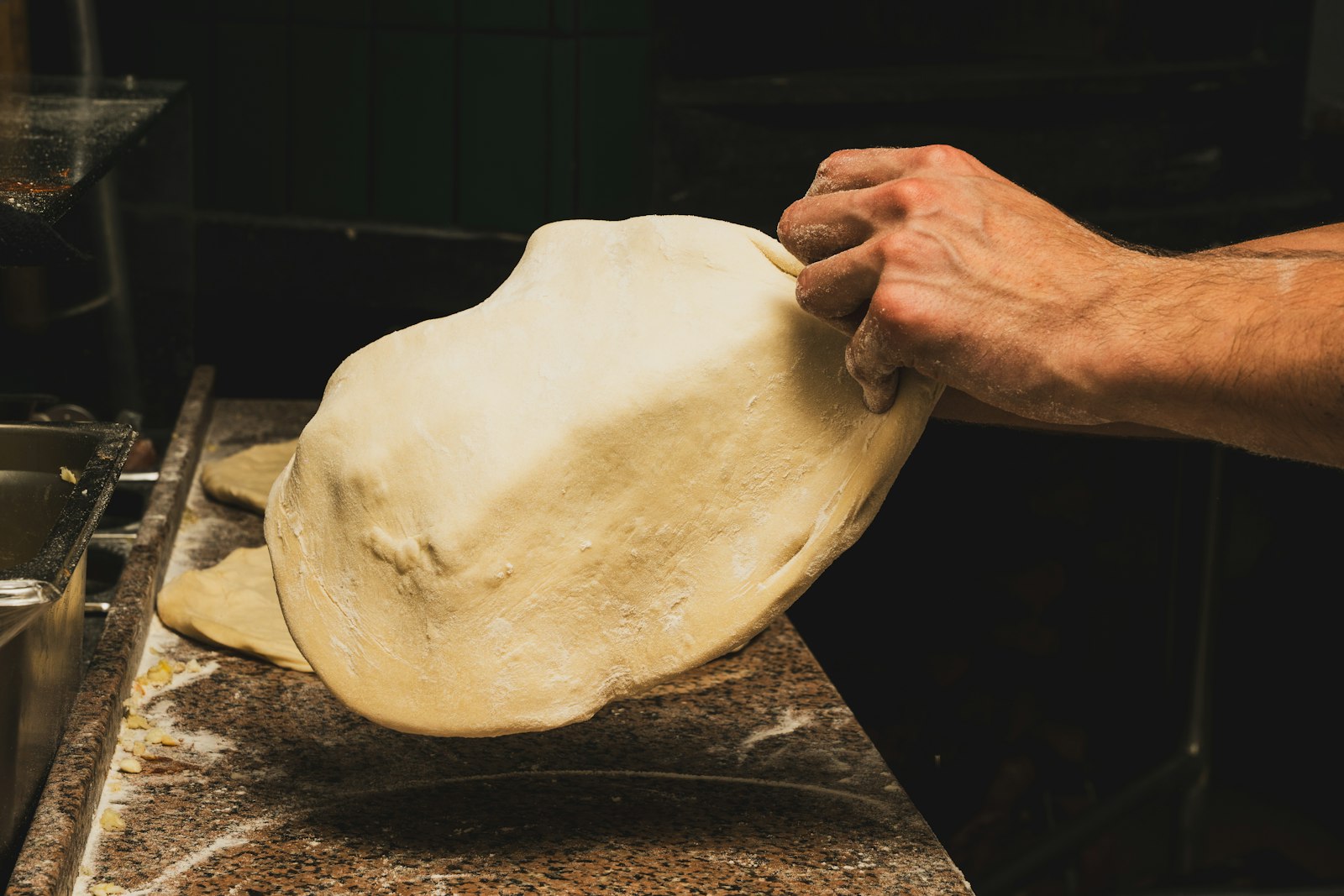
Authentic margherita pizza is deceptively simple to describe yet challenging to perfect. The foundation begins with pizza dough, traditionally made from just four ingredients: flour, water, salt, and yeast. The dough is mixed, kneaded, and allowed to rise slowly—often for 24 to 72 hours—to develop complex flavors and the characteristic texture.
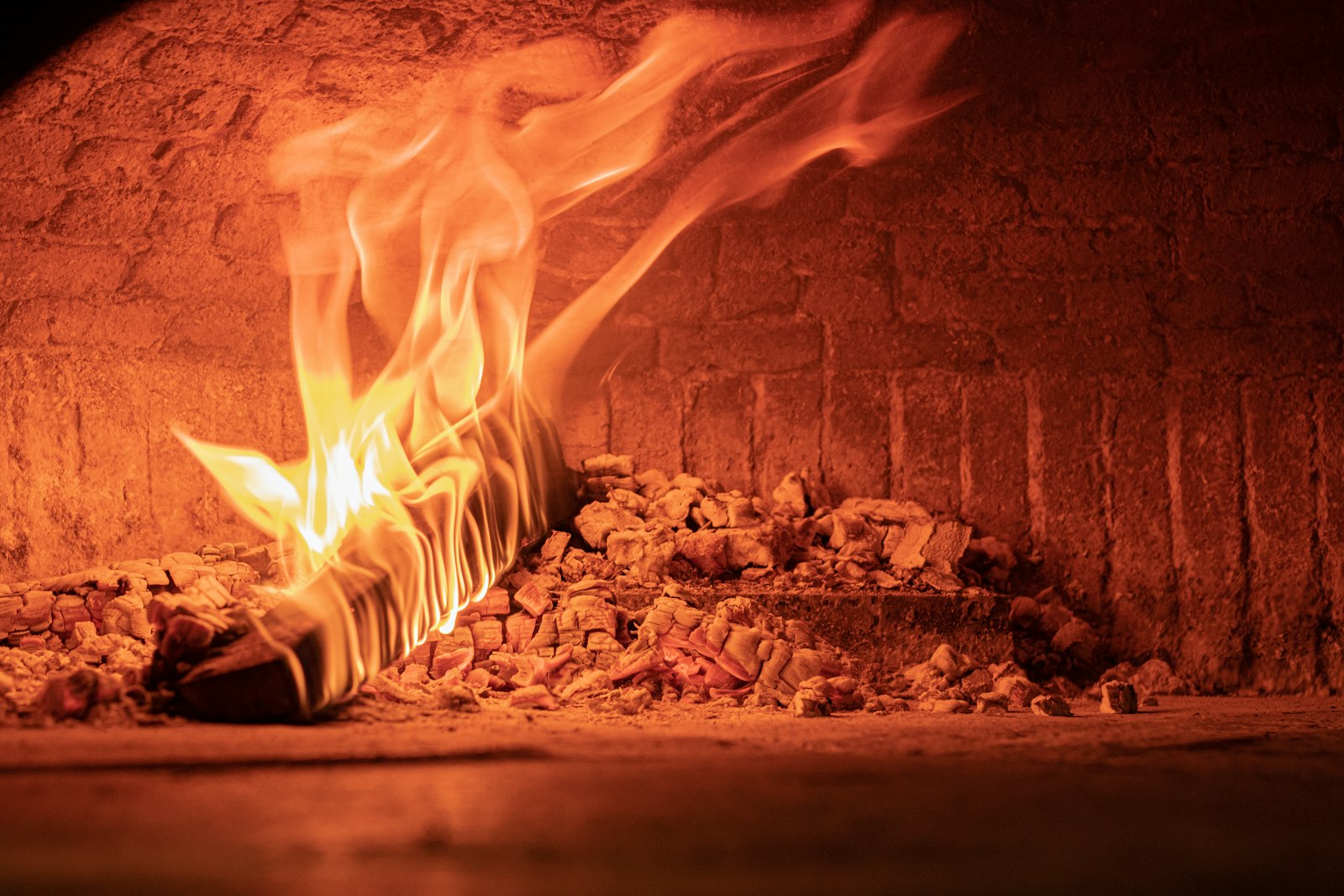
The pizzaiolo then stretches the dough by hand into a thin circle, typically around 12 inches in diameter. A light coating of tomato sauce is spread across the dough, followed by dollops of fresh mozzarella cheese. The pizza is then baked in a traditional wood-fired oven at extremely high temperatures—often exceeding 700 degrees Fahrenheit—until the crust is blistered and charred in places, and the cheese is melted and bubbling.
Finally, just before serving, fresh basil leaves are placed on top of the hot pizza, where the residual heat releases their aromatic oils. A drizzle of fine extra-virgin olive oil and perhaps a pinch of sea salt complete the dish.
From Royal Table to Global Phenomenon
Following Queen Margherita's endorsement, margherita pizza's popularity spread throughout Naples and eventually to the rest of Italy. Italian immigrants brought the dish to the United States, Argentina, and other parts of the world, where it became a cornerstone of Italian-American cuisine. Today, margherita pizza is served in pizzerias from Tokyo to London to São Paulo.
What makes margherita pizza endure is its fundamental appeal: perfect simplicity. In a world where cuisine often becomes increasingly complex, margherita pizza reminds us that the finest dishes often require only the best ingredients, prepared with care and respect for tradition. Each bite connects us to nearly two centuries of Italian culinary history.
Conclusion
The margherita pizza exemplifies how food transcends mere sustenance to become culture, history, and art. From its humble beginnings as street food in Naples to its transformation into an icon following royal approval, the pizza's journey reflects Italy's own story—one of pride, creativity, and the power of simple excellence. Today, more than 130 years after Queen Margherita tasted Raffaele Esposito's creation, the pizza bearing her name remains a beloved classic, a symbol of Italian heritage, and proof that the greatest culinary achievements often require nothing more than passion and quality ingredients.